
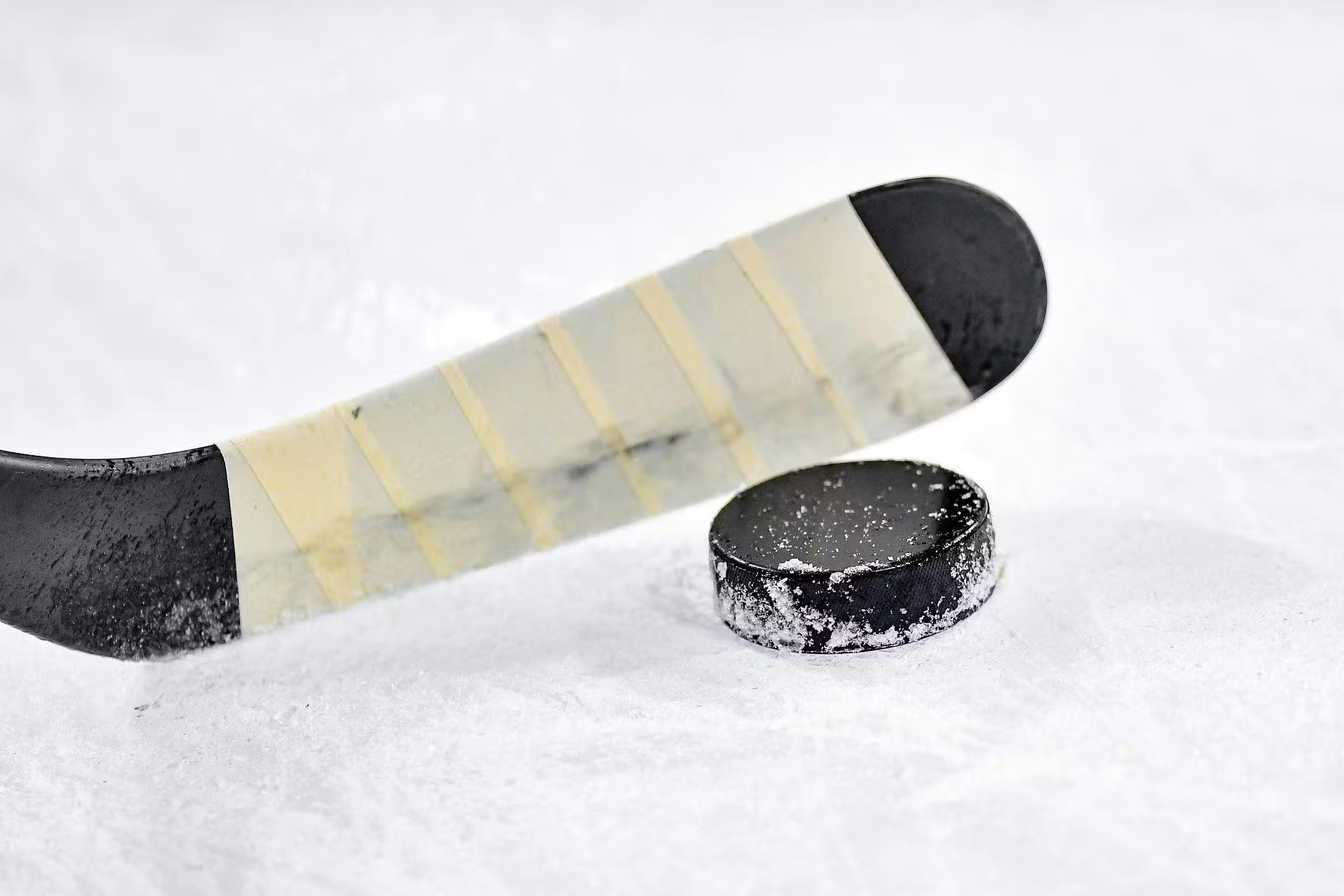
Choosing the right hockey stick can make a huge difference in your game — whether you’re playing competitively or just hitting the ice for fun. Your stick is an extension of your playing style, affecting everything from shot power to puck control and passing accuracy. With so many models, flex options, and materials available, finding the perfect one can be confusing.
This guide breaks down what you need to know before buying a new hockey stick, helping you choose the ideal setup for your skill level, position, and preferences.
1. Start with the Right Length
The first step in choosing a hockey stick is finding the correct length. It directly influences balance, reach, and control.
- For beginners: When standing on skates, the stick should reach between your chin and nose.
- For experienced players: The length may vary based on playing style. Shorter sticks offer better puck handling, while longer ones improve reach and defensive coverage.
Tip: Always measure the stick while wearing skates, since that slightly increases your height and affects ideal length.
2. Understand the Importance of Flex
The flex rating determines how easily your stick bends under pressure — crucial for shot speed and control.
- Lower flex (40–60): Better for youth players or those with less strength.
- Mid flex (70–85): Ideal for intermediate or all-around players.
- High flex (90+): Best suited for stronger players seeking maximum shot power.
As a general rule, your stick’s flex should be around half your body weight in pounds. For example, a 160-pound player might prefer a 75–80 flex.
A properly matched flex ensures your energy transfers efficiently into every shot, improving accuracy and velocity.
3. Choose the Right Curve Pattern
The blade curve is one of the most personal aspects of stick choice. It affects your ability to handle the puck, shoot, and pass effectively.
Common Curve Types:
- Mid curve: Great for all-around play, balancing control and lift.
- Toe curve: Ideal for quick wrist shots and tight puck handling near the net.
- Heel curve: Helps with powerful slap shots and long passes.
Different brands label curves uniquely, so test a few before committing — the right curve should feel natural during both stickhandling and shooting.
4. Pick the Correct Lie Angle
The lie of a hockey stick determines how the blade sits on the ice when you’re in your natural stance. A good fit ensures maximum blade contact, improving puck control and accuracy.
- Low lie (4–5): Blade sits flatter on the ice — suited for upright skaters.
- High lie (6–7): Keeps the heel down — ideal for players who skate lower to the ice.
You’ll know you have the right lie when the entire blade makes even contact during puck handling.
5. Decide on Blade Material and Feel
Blade construction impacts puck feedback, weight, and durability.
Composite Blades
Lightweight and responsive — excellent for performance and shot accuracy.
Wood Blades
Offer a traditional feel and control, though heavier and less durable than modern composites.
Hybrid Options
Combine wood cores with carbon fiber reinforcement, offering a balance between feel and performance.
Your choice should reflect your playing preference: control-focused players often prefer a softer feel, while power shooters favor stiffer blades for precision.
6. Stick Material: Composite vs. Wood
Modern hockey sticks are typically made from carbon fiber composites, though wood sticks are still popular among recreational players.
- Composite sticks: Lightweight, durable, and high-performing. They provide enhanced energy transfer for faster shots.
- Wood sticks: Offer great puck feel and affordability but are heavier and wear out faster.
For competitive play, composite sticks dominate due to their consistency and performance benefits.
7. Consider Stick Kick Point
The kick point determines where the stick flexes most during a shot, affecting release speed and power.
Low Kick Point
- Flexes near the blade for quick-release wrist and snap shots.
- Perfect for forwards who rely on speed and precision.
Mid Kick Point
- Flexes in the middle for balanced performance and powerful slap shots.
- Great for all-around players.
High Kick Point
- Flexes near the handle for maximum shot power.
- Common among defensemen taking long-range shots.
Choosing the right kick point depends on your position and shot style.
8. Weight and Balance
Stick weight has a direct effect on puck handling and fatigue. Lightweight sticks improve maneuverability and shot quickness, while slightly heavier ones can enhance stability and control.
The best stick feels balanced in your hands — not blade-heavy or handle-heavy. Testing a few models before buying is the best way to find your ideal balance point.
9. Grip or No Grip?
Grip coatings on stick shafts prevent slipping, especially when your gloves are wet.
- Grip shafts: Offer better hand control, ideal for aggressive players.
- Clear (no grip): Allow easier hand movement for quick position adjustments.
It’s entirely a matter of personal preference — try both and see which feels more natural for your play style.
10. Test Before You Buy
Whenever possible, handle different sticks in person. Feel how they flex, how the blade sits on the ice, and how the balance fits your play style.
Visit a reputable retailer that offers stick demos or shooting lanes — nothing beats firsthand experience when making your choice.
A trusted hockey specialist like bâtons de hockey Liquida Sport offers a wide range of high-performance sticks suited for all players, from beginners to professionals. Their experts can help you match the perfect model, flex, and curve to your skating and shooting technique, ensuring your new stick enhances both precision and power.
Conclusion
Buying the right hockey stick is about finding harmony between performance, comfort, and personal style. The right fit will improve your control, accuracy, and confidence on the ice — all while making every shot feel natural and powerful.
Focus on key factors like flex, curve, kick point, and material quality. Take time to test options and get expert advice before committing. With the right stick in your hands, your game will feel smoother, sharper, and more in control than ever.